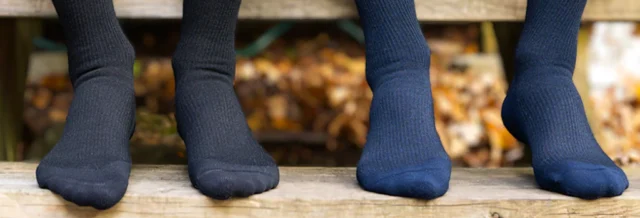
Medical-grade compression socks are commonly used to help manage leg swelling, circulation issues, varicose veins, and recovery following certain injuries or surgeries. Many extended health insurance plans in Canada may provide reimbursement for compression garments when they are prescribed for medical reasons.
However, coverage requirements and reimbursement amounts vary depending on your individual insurance provider. Understanding what is required before purchasing compression socks can help ensure a smoother claims process.
This guide explains how compression socks may be covered by insurance in Canada and what patients of Fowler Kennedy Sport Medicine Clinic should know before submitting a claim.
- Medical-grade compression socks often require a prescription from a doctor to be eligible for insurance reimbursement.
- Coverage varies depending on your individual insurance plan.
- Fowler Kennedy Sport Medicine Clinic does not direct bill insurance for compression socks.
- Patients must submit their prescription and receipt to their insurance provider for reimbursement.
Are Compression Socks Covered by Insurance in Canada?
Many private insurance plans in Canada provide partial or full reimbursement for medical compression socks or stockings when they are prescribed for medical reasons.
Coverage often depends on factors such as:
- The compression level (mmHg)
- Whether a prescription is provided
- The type of compression garment
- Your plan’s annual coverage limits
Some insurance plans may cover a certain number of pairs per year, while others may reimburse up to a specific dollar amount.
Before purchasing compression socks, it is recommended that patients confirm their coverage directly with their insurance provider.
Do You Need a Prescription for Compression Socks?
Many insurance companies require a prescription for medical-grade compression socks, particularly those with compression levels of 20–30 mmHg or higher.
Lower compression levels, such as 15–20 mmHg, may sometimes be purchased without a prescription but may not be eligible for insurance reimbursement.
At Fowler Kennedy Sport Medicine Clinic, prescriptions for medical compression socks must be written by a physician.
A compression sock prescription typically includes:
- The term medical compression socks or stockings
- The compression level (mmHg)
- The type or length of garment (e.g., knee-high or thigh-high)
- The recommended quantity
- The medical reason for use
How to Submit Compression Socks to Your Insurance
If your insurance plan covers compression garments, you will typically need to submit a claim for reimbursement.
Step 1: Confirm Your Coverage
Before purchasing compression socks, contact your insurance provider and ask:
What is my annual reimbursement limit?
Are compression socks or stockings covered under my plan?
Is a doctor’s prescription required?
What compression levels are eligible?
1. Confirm Your Coverage
Before purchasing compression socks, contact your insurance provider and ask:
- Are compression stockings/garments covered under my plan?
- Is pre-authorization required?
- What compression levels (mmHg) are eligible for reimbursement?
- What is my annual coverage limit (for example, a dollar amount or number of pairs per year)?
2. Obtain a Prescription
If your plan requires a prescription, ensure it is written by your doctor and includes the necessary details.
3. Purchase Medical-Grade Compression Socks
Choose a compression level that matches your doctor’s recommendation and your insurer’s requirements.
4. Keep Your Documentation
Save the following documents:
- The original prescription
- Your itemized receipt showing the product description and compression level
- Any additional documentation required by your insurance provider
5. Submit Your Claim
Submit the receipt and prescription through your insurance provider’s online portal or claims process.
Important Information for Fowler Kennedy Patients
Please note the following policies at Fowler Kennedy Sport Medicine Clinic:
- Medical-grade compression socks require a prescription from a physician.
- Fowler Kennedy does not direct bill insurance for compression socks.
- Patients are responsible for submitting their receipts and prescriptions directly to their insurance provider for reimbursement.
If you have questions about compression therapy, speak with your healthcare provider during your visit.
Frequently Asked Questions
Many insurance plans require a prescription for compression socks with higher compression levels (such as 20–30 mmHg or higher) in order to qualify for reimbursement.
No. Patients must submit their receipt and prescription to their insurance provider themselves for reimbursement.
Coverage varies by insurance provider. Some plans cover a set number of pairs per year, while others provide a maximum dollar amount annually.
When Should You Consider Compression Socks?
Compression socks may be recommended for conditions such as:
- Leg swelling
- Varicose veins
- Circulation issues
- Chronic venous insufficiency
- Recovery following certain injuries or surgeries
If you believe compression therapy may benefit you, discuss your symptoms with a healthcare provider.
When Should You Consider Compression Socks?
Compression socks may be recommended for conditions such as:
- Leg swelling
- Varicose veins
- Circulation issues
- Chronic venous insufficiency
- Recovery following certain injuries or surgeries
If you believe compression therapy may benefit you, discuss your symptoms with a healthcare provider.
Questions About Compression Socks?
If you have questions about compression therapy or whether compression socks may be appropriate for your condition, speak with a provider at Fowler Kennedy Sport Medicine Clinic during your next appointment.